I spent four years negotiating and monitoring labor provisions in U.S. trade instruments. Most of it under the Trump administration.
In 2016, the Obama administration needed someone who understood the ILO’s labor rights and the complexity of the global supply chain. The U.S. was in the final stages of negotiating the Trans-Pacific Partnership (TPP), which at the time included very technical side agreements with Brunei, Malaysia, and Vietnam. I had been researching trade agreements and labor provisions at the ILO, and was ready to return home.
I spent my first year as a Director for Labor Affairs at USTR advising other governments about their commitments to the ILO’s labor rights under the TPP. That, of course, changed abruptly when President Trump was elected and withdrew from the TPP.
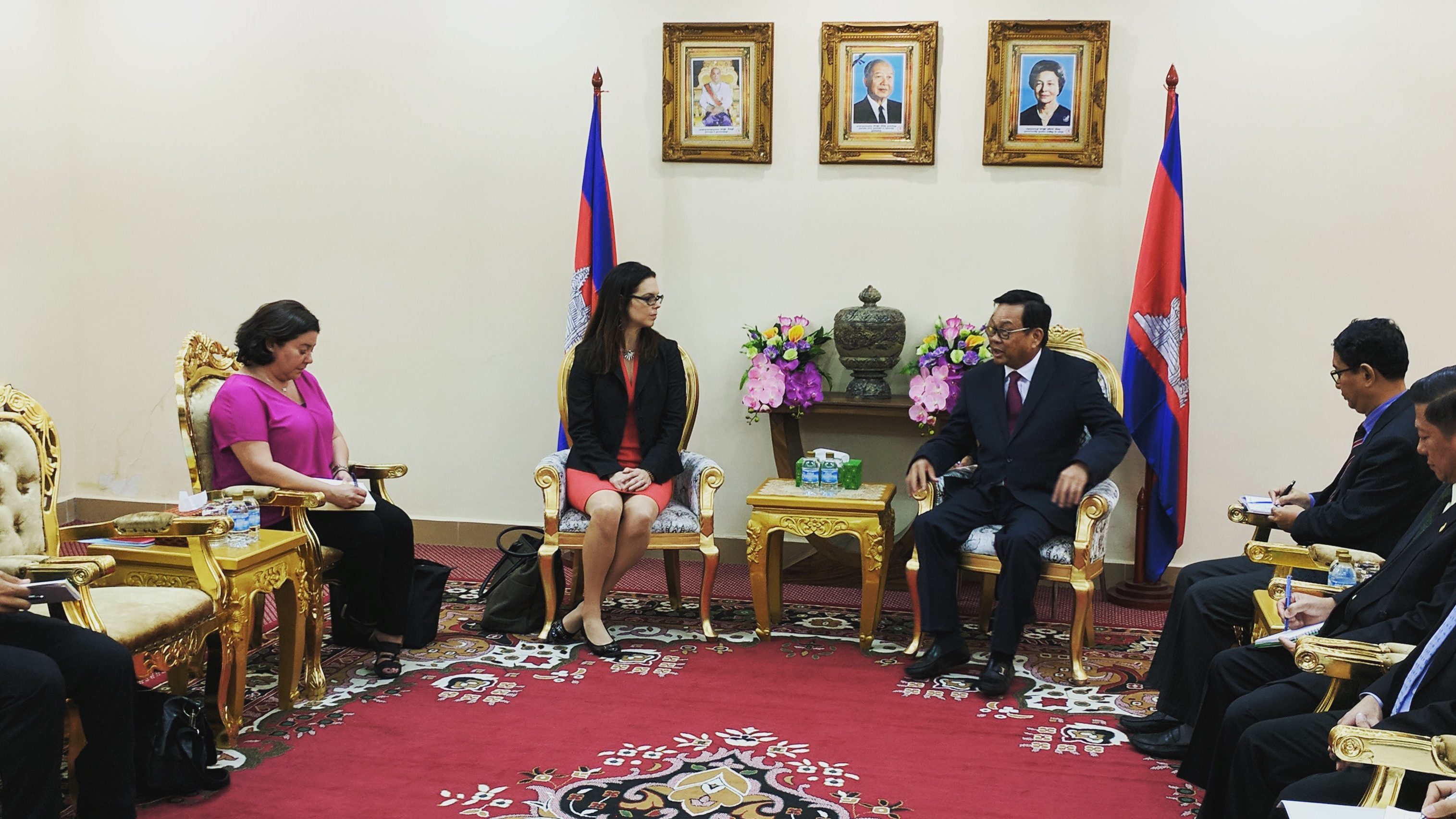
For the remaining three years, I continued to work with Southeast Asian countries and China on trade and labor matters. Under the Generalized System of Preferences (GSP), beneficiary countries commit to internationally recognized labor rights. Much of my time at USTR was spent explaining to governments in Cambodia, Malaysia, Indonesia, and Vietnam what those rights mean, and what laws would be necessary to comply with them.
Outside of the classroom, I now consult with governments, workers, and employers to help explain U.S. trade instruments and the labor commitments they entail. I also speak with the press in hopes of making sense of developments to the public. If you are curious about the intersection of U.S. trade and labor rights, or have a question about current events, reach out.

“Labor is not a commodity.”
ILO Declaration of Philadelphia
 Desirée LeClercq